

Do you know that the first hour after surgery is the most critical for the patient? Every beep of the monitor and subtle changes in patient condition can mean the difference between a smooth recovery and a medical emergency. Therefore, hospitals have a PACU (Post Anesthesia Care Unit) where highly specialized nurses are trained to closely watch patients as they wake from anesthesia. PACU nurses are skilled nurses who continuously monitor patients after surgery and respond quickly if complications arise.
What is PACU (Post-Anesthesia Care Unit)?
PACU (abbreviation for Post-Anesthesia Care Unit) is a specialized room where patients are closely monitored after surgery or a procedure involving anesthesia. The PACU unit is also sometimes called the recovery room, and the primary purpose of the PACU is to ensure patient safety as they recover from anesthesia. Patients stay in PACU (Post-Anesthesia Care Unit) for a short period of time, i.e., from 30 minutes to 2 hours, until they recover from anesthesia.
What are PACU nurses? And what do they do?
PACU nurses, also known as recovery room nurses, are specialized registered RNs who take care of patients directly after surgery. These nurses are highly trained with acute or critical care experience because the patients may experience complications after surgery. They work in high paced, stressful environment where quick decision-making skills and knowledge of post-operative care is needed.
What do PACU nurses do?
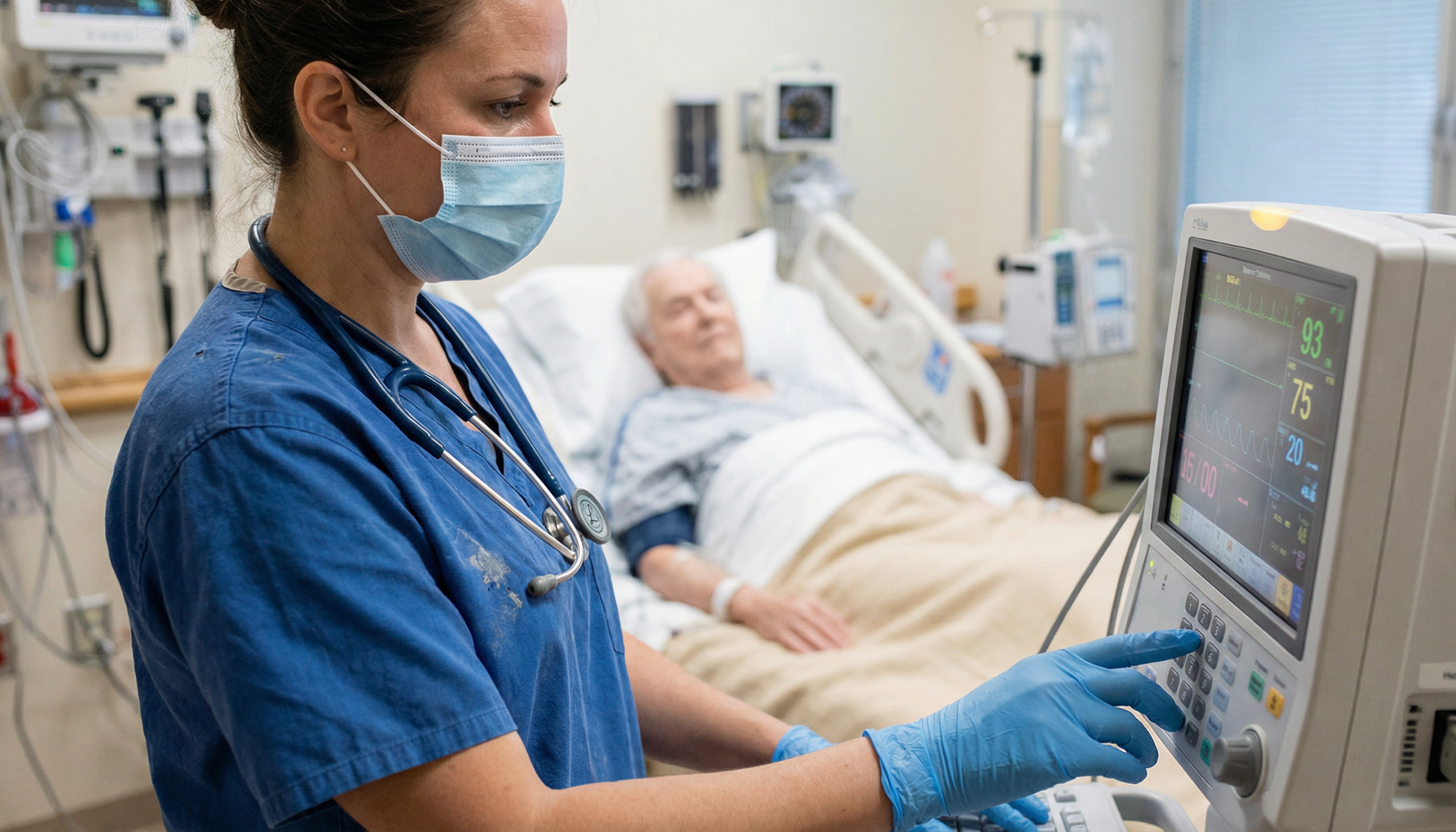
PACU nurses are highly specialized in postoperative care. Some of the roles and duties of PACU (Post-Anesthesia Care Unit) RNs are as follows:
- Continuously monitor vital signs of the patient, such as their heartbeat, respiration rate, oxygen saturation, temperature, etc.
- Endure patient breathe safely post anesthesia.
- Assess recovery of the patient from anesthesia.
- Monitor and administer pain medication.
- Watch out for post op complications such as nausea, cardiac events, bleeding, etc.
- PACU nurses are also required to initiate rapid response or code protocols if the patient’s condition deteriorates.
- Educate patients and prepare them for discharge or transfer to the hospital. Educate the patient and their family about post-op care, pain management, etc.
- Document everything, such as vitals, interventions, medications, etc., and maintain accurate hand-offs to the next care team.
What type of patients are found in the PACU (Post-Anesthesia Care Unit)?
The patients that you will find on the PACU (Post-Anesthesia Care Unit) floor are the ones who have just undergone surgery or a medical procedure that involves anesthesia. PACU is designed to take care of these patients because anesthesia can cause complications and can temporarily affect breathing, heart function, consciousness, etc. The most commonly found patients in the PACU (Post-Anesthesia Care Unit), also known as the recovery room, are:
- Patient recovery from general anesthesia: General anesthesia is when the patient is fully unconscious during surgery, such as abdominal surgery, cardiac surgery, organ transplants, etc.
- Patients who got regional anesthesia: Regional anesthesia makes the part of the body numb, such as epidural anesthesia, spinal anesthesia, etc.
- Patients who received moderate or deep sedation: Some procedures, such as colonoscopy, endoscopy, cosmetic procedures, etc., require sedation rather than full anesthesia, but the patient still needs monitoring after the procedure.
- Pediatric patients: Children who have undergone surgery are continuously monitored in the PACU. Some examples of pediatric procedures are orthopedic corrections, appendectomy, etc.
- Senior patients after surgery require extra monitoring because their bodies recover slowly after anesthesia. The seniors can go through procedures such as hip replacement, cataract surgery etc.,
- Some patients in PACU arrive because of complex medical conditions like heart disease, diabetes, kidney failure, etc and need continuous monitoring.
- In PACU, you will also find patients who undergo emergency procedures such as trauma surgery, ruptured appendix, etc.
- Patients with postoperative complications like airway obstruction, severe pain, and low oxygen levels.
What certifications are required for PACU nursing?
- BLS (Basic Life Support)
- ACLS (Advanced Cardiac Life Support 0
- PALS (Pediatric Advanced Life Support)
- CPAN (Certified Post Anesthesia Care)
- CAPA (Certified Ambulatory Perianesthesia Nurse)
- CCRN (Certified Critical Care Registered Nurse)
What does PACU mean in the hospital?
PACU stands for (Post Anesthesia Care Unit), also known as the recovery floor, where patients are continuously monitored right after their surgery or getting a medical procedure that involves anesthesia.
How long do patients stay in PACU after surgery?
Patients may stay from 30 minutes to 2 hours; however, the time depends on the type of surgery they had.
What type of patients go to PACU?
- Patients who have undergone major surgeries with general anesthesia
- Procedures that involved regional anesthesia
- Outpatient surgeries that required sedation.
Conclusion
PACU in a hospital stands for Post-Anesthesia Care Unit in a hospital. In this unit, patients are closely monitored as anesthesia wears off after surgery. Patients stay in the PACU (Post-Anesthesia Care Unit) for 30 minutes to 2 hours, depending on the type of surgery. PACU nurses are highly skilled registered RNs who continuously monitor patients for any complications. They need to have quick decision-making skills, rapid response skills, and knowledge of post-operative care to be successful in this career.
If you are a PACU nurse and have 2 years of experience, then become a travel nurse with SkillGigs, where you can find high-paying assignments at top healthcare facilities.