

Have you ever wondered what happens inside your body after every heartbeat? Every second, your heart pushes blood through a carefully designed pathway, and in less than a minute, your blood completes a full journey through your body, delivering oxygen where it is needed. From veins to arteries, the heart follows a precise 12-step process to keep life in motion. In this blog, we will discuss in detail the 12 steps of blood through the heart.
Before we start, sign up with SkillGigs and get a $500 bonus once you sign your first contract with us. Join now and explore high-paying travel nursing contracts.
What is the role of the blood through the heart and body?
Blood flow through the heart plays an important role in delivering oxygen and nutrients to tissues and removing waste products like carbon dioxide.
- Oxygen and nutrient delivery.
- Removing waste products such as carbon dioxide.
- Gas exchange in the lungs.
- Blood flow helps regulate body temperature.
- Continuous circulation of blood is important for survival.
- Helps circulate hormones throughout the body.
Order of the blood flow through the heart: 12 steps
Here is the complete blood flow through the heart in order:
- The deoxygenated blood from the body enters the right atrium of the heart through two large veins, the superior and inferior vena cava.
- The blood then enters the tricuspid valve, ensuring it flows forward and does not flow back.
- Then the blood enters the right ventricle, a pumping chamber that pushes blood through another valve called the pulmonary valve and then sends it to the pulmonary artery.
- The pulmonary artery then carries the blood to the lungs.
- In the lungs, the blood releases carbon dioxide and picks up oxygen, which makes the blood oxygenated.
- The oxygenated blood from the lungs travels back to the heart through pulmonary veins.
- From the pulmonary veins, it enters the left atrium, passes through the bicuspid valve, and moves into the left ventricle.
- The left ventricle pumps oxygenated blood through the aortic valve into the aorta, which is the largest artery in the body.
- And finally, the aorta carries oxygenated (oxygen-rich) blood to the entire body.
Here is the easy way to remember the blood flow through the heart in order:
Body → Right Heart → Lungs → Left Heart → Body
The other example of blood circulation in the heart flowchart is:
Vena Cava → Right Atrium → Tricuspid Valve → Right Ventricle → Pulmonary Valve → Pulmonary Artery → Lungs → Pulmonary Veins → Left Atrium → Mitral Valve → Left Ventricle → Aorta → Body
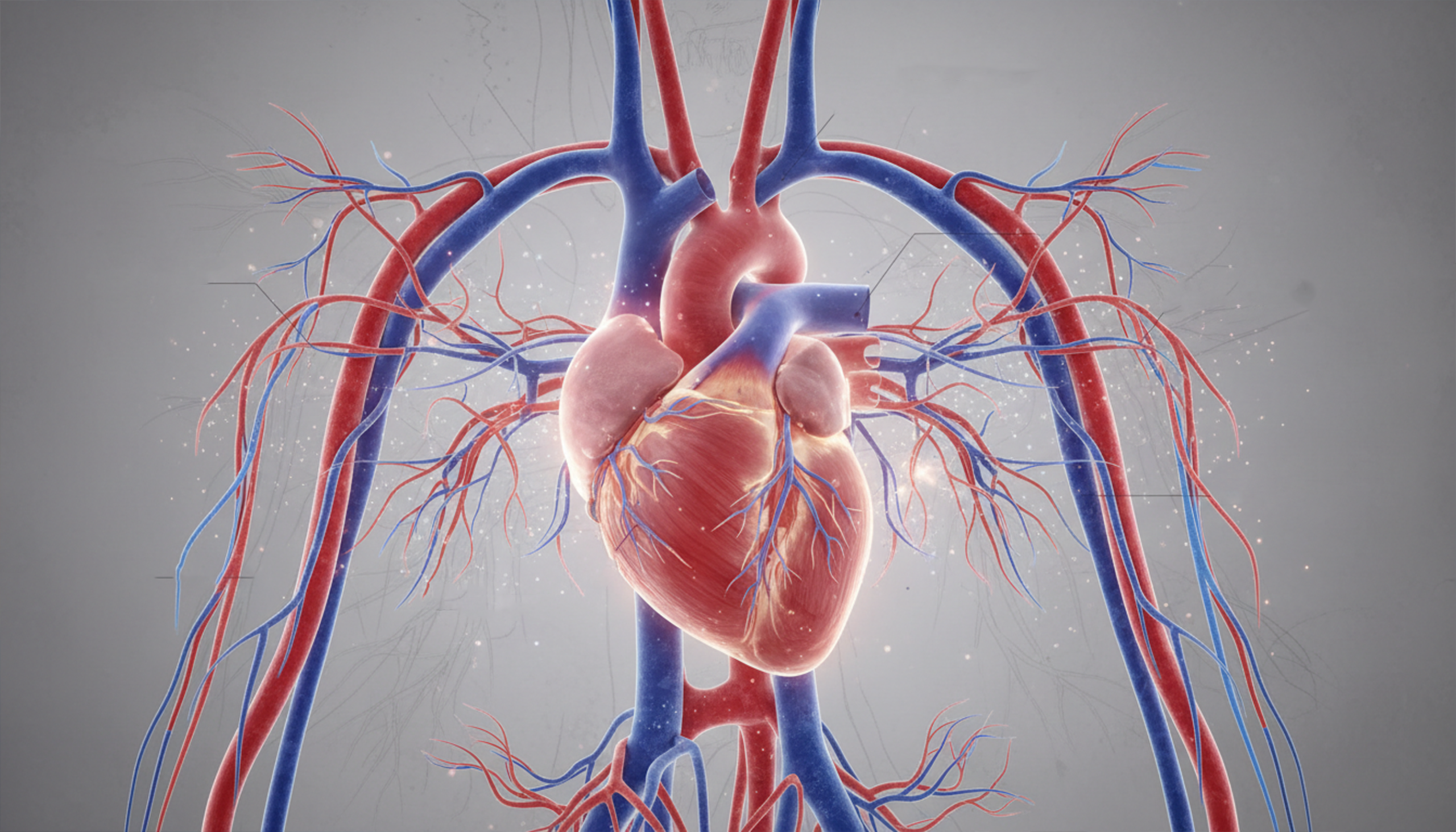
The key components involved in blood flow are:
Heart valves that prevent blood flow and ensure one-way circulation:
- Tricuspid valve
- Pulmonary valve
- Mitral valve
- Aortic Valve
The mnemonic to help you remember the order of valves is:
Try (Tricuspid valve) Pulling (Pulmonary Valve) My (Mitral valve) Aorta (Aortic Valve)
The major blood vessels involved in the circulation of blood are:
- Vena cava
- Pulmonary artery
- Pulmonary veins
- Aorta
What is the correct blood flow through the heart?
Body → Superior Vena Cava / Inferior Vena Cava → Right Atrium → Tricuspid Valve → Right Ventricle → Pulmonary Valve → Pulmonary Artery → Lungs → Pulmonary Veins → Left Atrium → Mitral Valve → Left Ventricle → Aortic Valve → Aorta → Body
Are You A Travel Nurse Looking For A High-Paying Gig?
Are you a travel nurse looking for a gig that actually pays more? Yes, then SkillGigs is just the platform for you. Travel nurses are earning upto $4000/ week and you can do too. Sign up with SkillGigs and find your next gig now.