
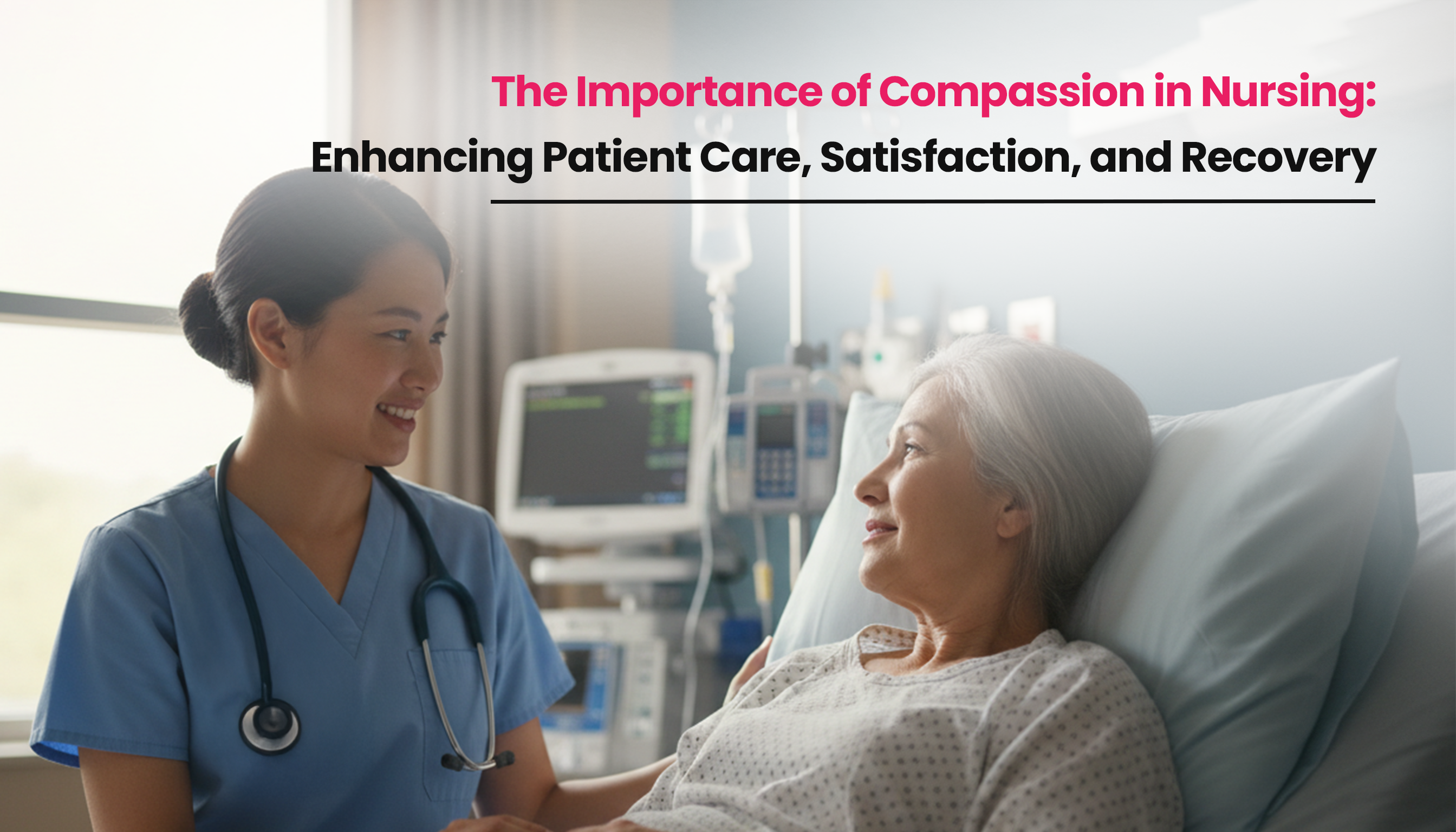
Studies show that patients who receive compassionate care recover faster and are more satisfied with their treatment. In healthcare, clinical skills and technical skills are important, but compassionate care also plays an important role in patient care. Patients who are suffering from illness, chronic diseases, and have undergone surgery need compassionate care because it truly heals them mentally, emotionally, and physically. In this blog, we will discuss the importance of compassion in nursing, examples, and challenges that nurses face.
Good news for travel nurses! If you want top high-paying travel nursing jobs, then join SkillGigs and get the assignments that best match your needs and skills. And also get a $500 bonus once you sign a contract with us for the first time. Explore travel nursing jobs now!
What is compassion in nursing?
Compassion is the heart of nursing and is the ability to recognize the struggles and discomfort of the patient and respond with genuine kindness and support. Compassion in nursing is the human-centered approach where nurses not only treat the disease but also care for the person experiencing it. In nursing, compassion is about recognizing patient discomfort, supporting their independence and dignity, and acting to relieve their physical, emotional, and psychological suffering.
Importance of compassion in nursing
Compassionate care in nursing is important for patients and the overall quality of care. Here are the reasons why compassionate care is important in nursing:
Improve recovery and patient experience:
Compassion plays an important role in patient recovery and overall patient experience. Patients remember compassionate care more than treatment, and patients feel supported and understood. Compassion in nursing creates trust and comfort in patients, and they can easily communicate with the nurses and talk about treatments and procedures, improving recovery and patient experience.
Builds trust
A nurse’s compassion builds trust in patients and makes them feel safe. This trust helps patients communicate openly with nurses and share their concerns. If a nurse is compassionate, patients talk about their symptoms, follow treatment plans, which lead to faster recovery and better overall outcomes.
Foster job satisfaction
Compassion in nursing not only helps patients but also helps nurses. When nurses see their patients getting better, it makes their jobs more satisfying, gives them a sense of job satisfaction, and reduces burnout.
If you want to learn more about the importance of compassion in nursing, then read our blog:
Compassion in Nursing: Why It’s Essential for Patient Care

Examples of compassion in nursing
Here are some of the examples of how to be compassionate in nursing:
- Understanding patients and being empathetic with them, which means trying to feel what they feel, for example, if they are anxious before surgery, you can tell them, “ I know it’s scary, but I am here for you and ready to answer any questions you have.”
- Communicating with patients to understand what comforts them, for example, if the patient prefers lying down when in pain, so you help them to position their bed without them telling you.
- Patients feel lonely, and sometimes they need someone to talk to. A nurse can show compassion by sitting with them for a few minutes and talking to them about their day or hobbies.
- Being an active listener and observing patients to see if they are in any kind of pain or discomfort that they are not talking about, for example, if they say they are fine but constantly touch their chest, which might indicate that they are having some trouble.
- Patients feel valued when you check back on them, for example, asking them about their pain the next morning. Remembering these small details shows patience that you genuinely care.
- Compassionate care in nursing also means providing emotional support to the patients during tough times, for example, holding patients’ hands before they go for surgery.
- Using a warm tone with patients also helps reduce their anxiety and boost their confidence.
- Show respect to the patient by knocking before entering the room and giving them a sense of privacy.
- Compassion in nursing also means explaining procedures and treatment to the patients accurately and clearly, so there is no confusion, and answering their questions, so they feel less scared.
- Helping ease their worries, for example, explaining side effects of medication calmly so they don’t stress or overthink.
What are the challenges that nurses might face when providing compassionate care?
Compassionate care is important in nursing, but it can be challenging for nurses, too:
- Long shifts and heavy workloads can cause burnout among nurses, and this can make it difficult for the nurses to give compassionate care to the patients.
- If nurses are constantly exposed to patient suffering, then this can affect them and lead to emotional exhaustion, making it difficult to provide compassionate care in nursing.
- Emotional labor is another reason why providing compassion in nursing can be challenging. Nurses hiding their own feelings and supporting patients all the time can be exhausting.
How can nurses practice compassion in nursing?
- Practice self-awareness.
- Develop active listening skills.
- Learn about patient-centered techniques.
- Understand patients’ perspectives.
- Prioritize small acts of kindness, such as a gentle touch or smile.
- Maintaining healthy boundaries while being empathetic.
- Communicate clearly.
What is the difference between compassion and empathy?
Empathy means understanding how patients feel, whereas compassion means taking action to help relieve the suffering of the patient.
Conclusion
Clinical skills and technical skills are important in healthcare, but compassion in nursing also plays a vital role. Being compassionate helps patients build trust, improve recovery, and overall patient care. Compassion in nursing also provides job satisfaction to the nurses when they see their patients recovering.
If you are a travel nurse and want to make more money, then sign up now with SkillGigs and get a $500 bonus once you sign a contract with us. Not only that, SkillGigs gets you matched to the top-paying travel nursing assignments, so you get what you deserve and even more.