
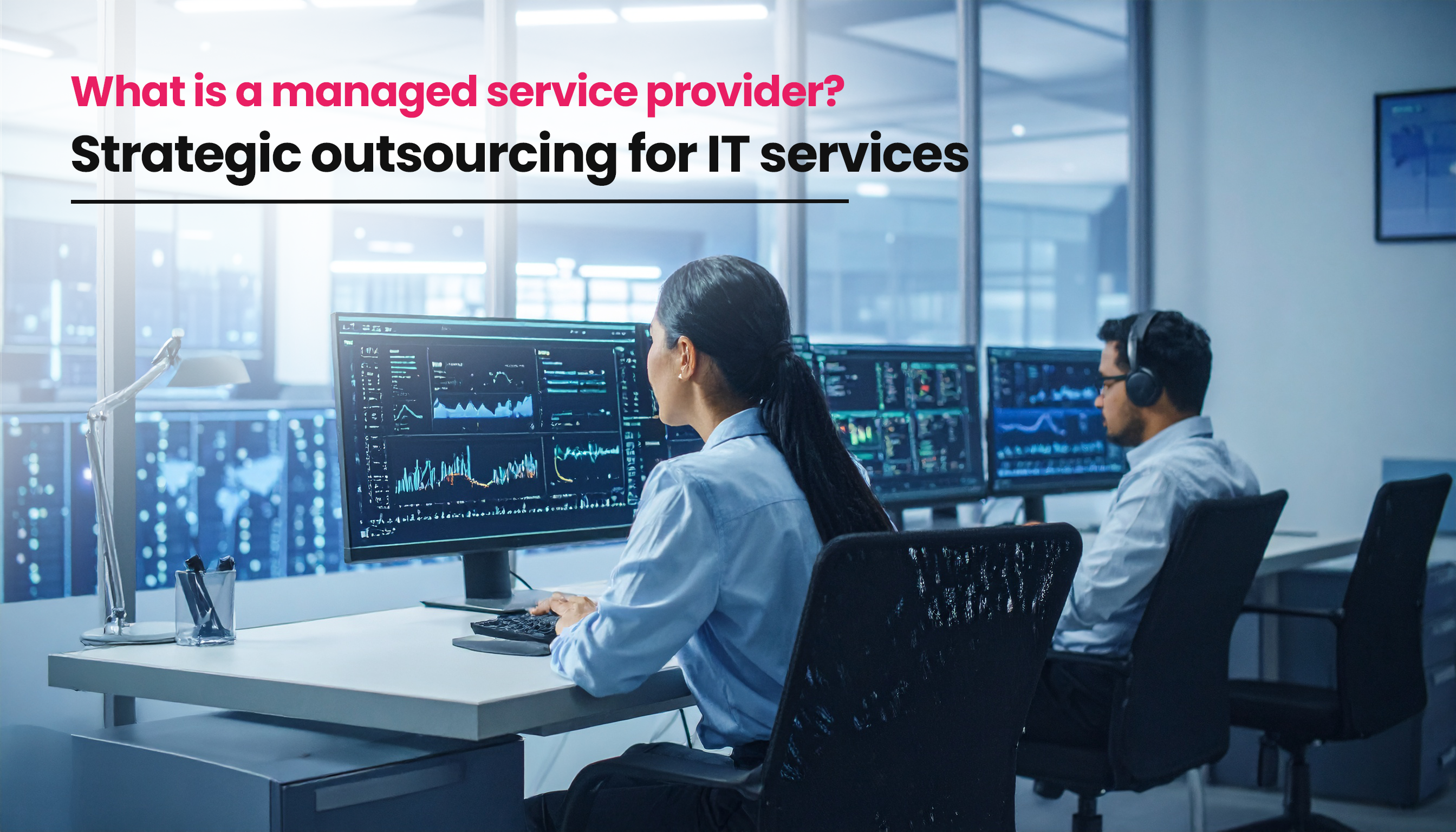
As technology stacks become more complex and in-house IT teams struggle to keep up, many organizations are turning to managed service provider (MSPs) as long-term strategic partners rather than simple vendors. From cybersecurity and cloud management to helpdesk support and infrastructure monitoring, MSPs now play a central role in how modern businesses operate and scale.
This guide explains what a managed service provider is, how MSPs work, the benefits they offer, common pricing models, and when outsourcing to an MSP makes sense for your organization.
What Is a Managed Service Provider?
A managed service provider (MSP) is a third-party company that takes responsibility for managing specific IT services on behalf of a business. Instead of reacting to issues as they arise, MSPs operate proactively, monitoring systems, preventing downtime, and ensuring performance, security, and reliability.
Unlike traditional outsourcing, MSPs focus on outcomes, not headcount. The client defines service expectations, and the MSP determines the tools, staffing, and processes needed to meet them.
Typical MSP-managed services include:
- Network and infrastructure management
- Cloud operations and optimization
- Cybersecurity and threat monitoring
- Backup and disaster recovery
- Helpdesk and end-user support
Services can be delivered remotely, on-site, or through a hybrid approach, depending on business needs.
How the MSP Business Model Works
Managed service providers operate on a subscription-based model, offering predictable monthly or annual pricing instead of unpredictable hourly billing. This allows businesses to control costs while gaining access to specialized expertise.
Key characteristics of the MSP model include:
Proactive Service Delivery
MSPs monitor systems continuously to detect issues before they disrupt operations. This shift from reactive to preventive IT support is one of the biggest value drivers.
Service Level Agreements (SLAs)
Contracts clearly define performance metrics such as uptime, response times, and resolution targets. SLAs create accountability and transparency between the MSP and the client.
Scalability and Flexibility
As business needs grow or shrink, MSP services can scale accordingly, without the cost and disruption of hiring or layoffs.
Automation and Advanced Tools
MSPs invest heavily in automation, AI, and monitoring platforms that many internal IT teams cannot justify on their own.
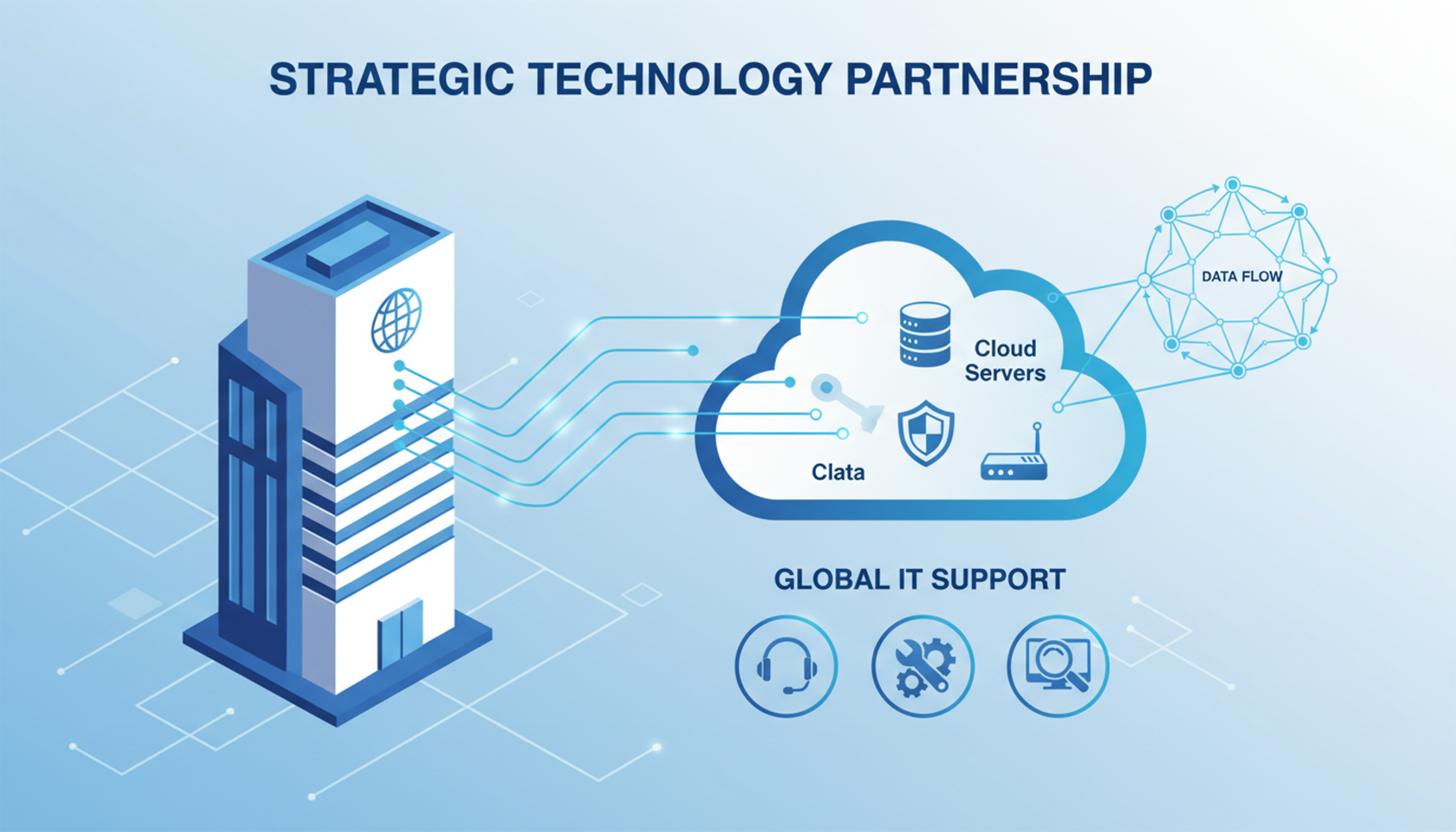
Benefits of Working With a Managed Service Provider
Organizations adopt MSPs for more than cost savings. The real value lies in efficiency, expertise, and resilience.
Access to Specialized Talent
MSPs employ specialists across networking, security, cloud platforms, and legacy systems, skills that are often hard to recruit or retain in-house.
Improved Security Posture
With rising cyber threats, MSPs provide continuous security monitoring, vulnerability assessments, and incident response capabilities.
Operational Efficiency
By offloading routine IT management, internal teams can focus on strategic initiatives rather than day-to-day firefighting.
Faster Technology Adoption
MSPs help organizations adopt new tools and platforms faster, even when internal expertise is limited.
Business Continuity
Backup, disaster recovery, and failover planning ensure operations continue during outages or cyber incidents.
Types of Managed Service Providers
Not all MSPs operate the same way. Most fall into one of the following categories:
Full-Service MSPs
Provide end-to-end IT management, covering infrastructure, security, cloud, and support.
Specialized MSPs
Focus on a specific area such as cybersecurity, cloud services, or data protection.
Co-Managed MSPs
Work alongside internal IT teams, supplementing expertise and capacity rather than replacing them.
Hybrid MSPs
Combine managed services with consulting, software development, or digital transformation support.
Choosing the right model depends on internal capabilities, budget, and long-term IT strategy.
Common Services Provided by MSPs
Most organizations engage MSPs for one or more of the following services:
- Infrastructure Management – Servers, networks, endpoints, and devices
- Cybersecurity Services – Threat detection, MDR, XDR, SOC operations
- Cloud Management – Migration, optimization, and cost control
- Backup & Disaster Recovery – Business continuity planning
- Helpdesk Support – End-user issue resolution and ticket management
MSPs serve organizations of all sizes, from SMBs lacking internal IT teams to large enterprises managing complex, regulated environments.
MSPs vs Traditional Outsourcing vs Consulting
While often confused, these models serve different purposes:
- Traditional Outsourcing focuses on staffing replacement
- Managed Services focus on performance outcomes
- IT Consulting is project-based and time-limited
- Many modern providers blend these models, but MSPs stand apart through ongoing accountability and proactive management.
Is an MSP Right for Your Business?
A managed service provider is not just a cost-saving option, it’s a strategic decision. Organizations that rely on MSPs gain access to specialized expertise, improved security, predictable costs, and the ability to focus on core business goals.
For companies navigating digital transformation, security challenges, or rapid growth, partnering with the right MSP can be a decisive competitive advantage.