
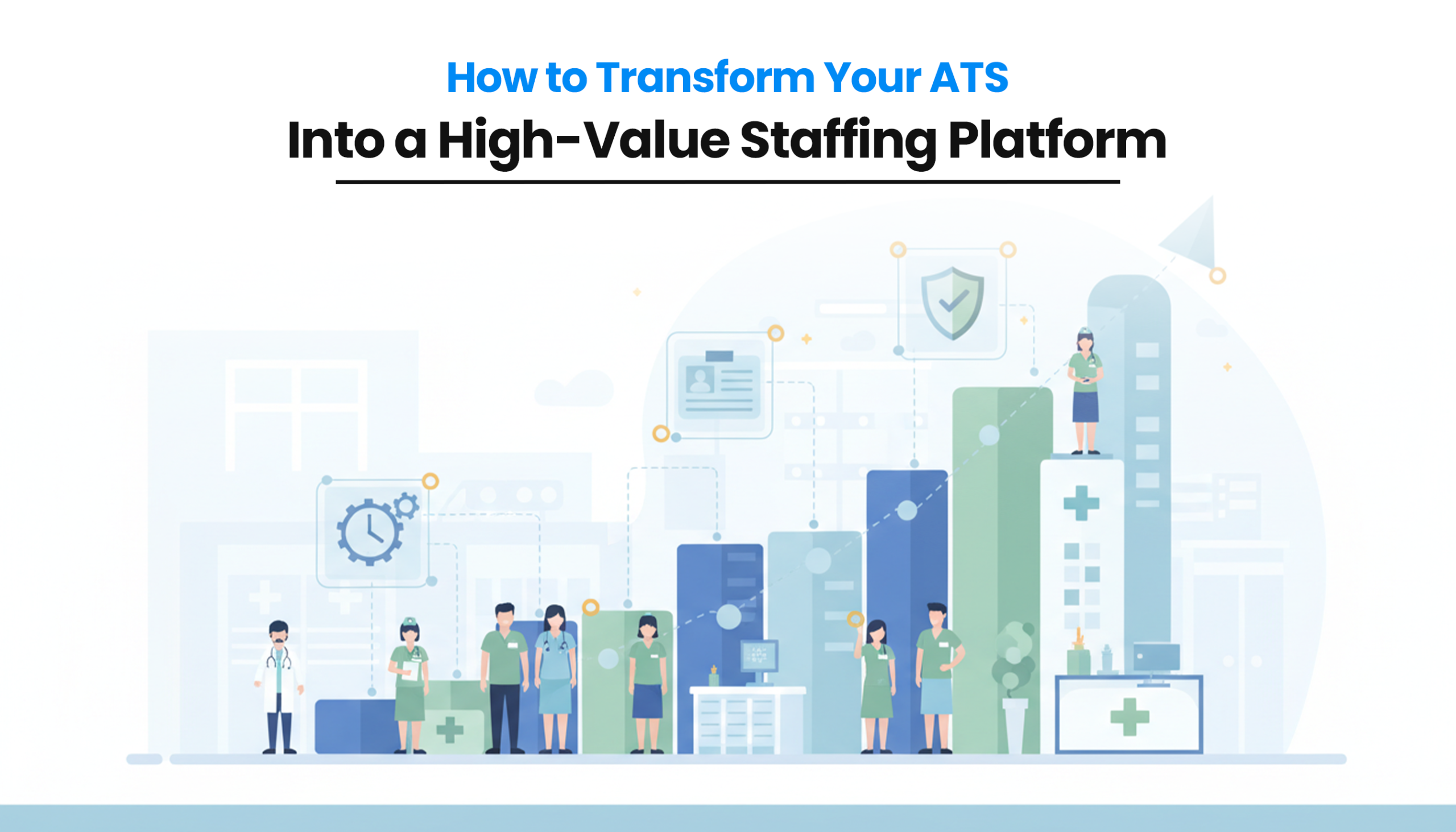
Most healthcare systems think of their Applicant Tracking System as a record-keeping tool. A place where resumes go to wait. A system of compliance, not value creation. In reality, your ATS may be one of the most underutilized assets in your staffing operation. When activated correctly, it can become a revenue-generating staffing engine.
One that reduces agency dependency, accelerates hiring, and lowers contingent workforce costs without sacrificing quality or compliance.
The Hidden Asset Sitting in Your ATS
The average hospital ATS contains between 5,000 and 15,000 nurse candidates collected over the past three to five years. These are not cold leads.
- Many are fully credentialed
- Most were screened by your team
- Nearly 70% were never hired, despite being qualified
These candidates didn’t disappear because they weren’t capable. They were passed over due to timing, budget, or headcount constraints. Today, they represent dormant ATS data with real staffing value.
Yet while this talent sits unused, healthcare systems continue paying premium rates to external agencies.
The Real Cost of Ignoring Your Candidate Database
Every time a hospital sources a travel nurse through an agency, it absorbs costs that compound quickly:
- $15,000–$50,000 per placement in agency fees
- Layered markups with little pricing transparency
- No ownership of the clinician after the assignment ends
At the same time, qualified candidates, who already cost money to recruit once, remain untouched inside the ATS.
This isn’t a sourcing problem. It’s a utilization problem.
From Dormant Data to Active Talent: The Reactivation Strategy
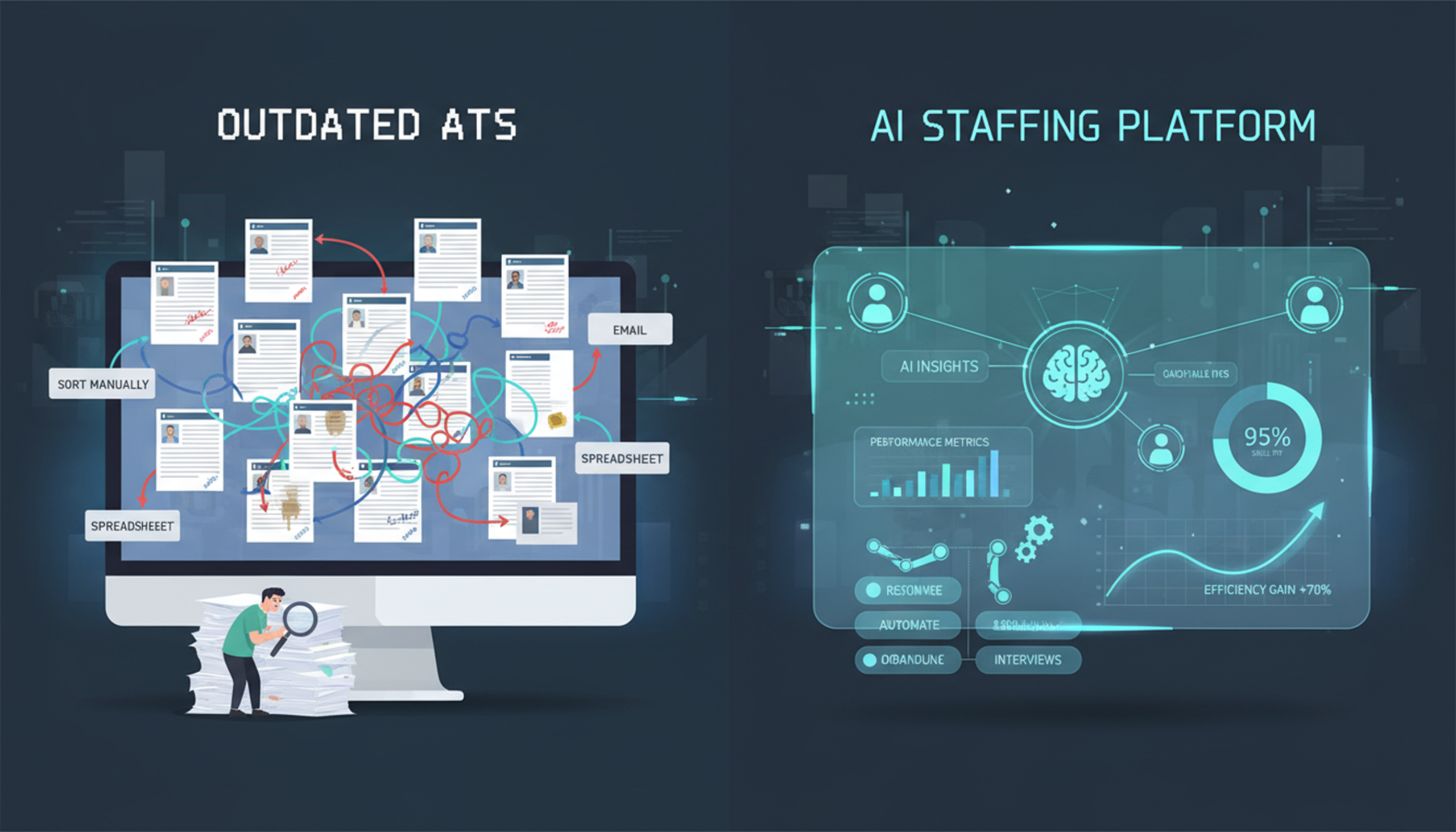
Turning an ATS into a staffing engine starts with reactivation, not replacement.
Step 1: Data Migration & Enrichment
Candidate data is exported and enriched through contact verification and professional profile alignment. This ensures outreach reaches real, responsive clinicians.
Step 2: AI-Powered Re-Engagement
Targeted campaigns reconnect with past applicants using timely, relevant messaging:
“You applied 18 months ago. We now have per diem shifts that fit your availability.”
This approach dramatically outperforms generic job blasts.
Step 3: Skills & Credential Refresh
Candidates update licenses, certifications, and availability through mobile workflows. This converts outdated records into market-ready profiles.
Step 4: Transparent Bidding for Open Roles
Instead of reapplying, clinicians bid directly on active assignments. Facilities see real-time availability and pricing without agency markups.
This is where ATS talent reactivation becomes operational value.
The ROI Math That Changes the Conversation
The financial impact of healthcare talent recycling is straightforward.
- Reactivate 100 ATS candidates
- Convert 15–20 into active contractors
- Replace agency placements with direct sourcing
Annual impact:
- $300,000–$500,000 in avoided agency fees
- Faster time-to-fill
- A growing private talent marketplace owned by the facility
Unlike agency spend, this value compounds over time.
Why Silver Medalist Candidates Are the Highest-Value Pool
Silver medalist candidates, those who made it to final interview rounds but weren’t selected for full-time roles, consistently outperform other contractor sources.
They already:
- Passed clinical screening
- Fit organizational standards
- Understand the facility environment
As contingent staff, they deliver higher continuity, lower onboarding friction, and better performance outcomes than rotating agency clinicians.
What Implementation Actually Looks Like
Reactivating ATS talent doesn’t require a year-long transformation.
A typical timeline:
- Weeks 1–2: Data export, cleansing, enrichment
- Weeks 3–4: Outreach and re-engagement campaigns
- Weeks 5–8: First contractor placements
Facilities often see active clinicians in the marketplace within the first month.
Real-World Results from ATS Talent Reactivation
One hospital system reactivated 847 past candidates, resulting in:
- 127 active per diem nurses
- 80% reduction in agency dependency
- Meaningful improvements in staffing predictability
The value didn’t come from finding new talent. It came from activating talent they already owned.
The Competitive Question Healthcare Leaders Should Be Asking
Why rent talent from agencies
when you already paid to recruit them once?
ATS talent reactivation flips staffing economics by turning historical recruiting spend into a reusable workforce asset.
Ready to See What’s Hiding in Your ATS?
Every healthcare organization’s candidate database has a different value profile.
Get your free ATS data audit to assess and turn your ATS into a Revenue-Generating Staffing Engine:
- How much dormant talent you already have
- How many candidates are reactivation-ready
- What agency costs could you eliminate
A short assessment can reveal whether your ATS is a cost center or your next staffing engine.