

In the world of software engineering, few languages have risen as quickly or stayed as relevant as Python. From web applications and automation tools to machine learning models and data analytics, Python has become a versatile foundation for modern software development.
This guide explains why Python is so widely adopted, what makes it effective for development workflows, and how businesses and developers can leverage it for scalable, maintainable applications.
What Is Python?
Python is a high-level, interpreted programming language known for its readable syntax and flexible design philosophy. Created in the late 1980s and popularized in the 2000s, Python focuses on clarity over complexity, making it accessible for beginners and powerful in expert-level applications.
Unlike compiled languages that require separate build steps, Python code is executed directly, streamlining development cycles and allowing developers to prototype and iterate quickly.
Why Python Is So Popular For Software Development
Python’s rise isn’t accidental, it combines a set of strengths that appeal to developers, product teams, and business leaders alike:
1. Simple and Readable Syntax
Python’s syntax looks almost like English. Developers can express complex logic without convoluted structure, which makes onboarding faster and reduces maintenance challenges.
This clarity also helps teams avoid bugs that often hide in syntactic complexity, a common problem in large codebases.
2. Rich Ecosystem of Libraries and Frameworks
Python’s real power lies in its ecosystem. Libraries and frameworks accelerate development across domains:
- Web development: Django, Flask
- Machine learning & AI: TensorFlow, PyTorch, Scikit-learn
- Data processing: Pandas, NumPy
- Scripting & automation: Built-in modules and utilities
These tools let developers avoid reinventing common functionality, focusing instead on business logic and innovation.
3. Cross-Domain Versatility
Python isn’t limited to one use case. It’s used for:
- Web apps and APIs
- Data analytics and visualization
- Automation and scripting
- Machine learning and AI development
- Scientific computing and research applications
This broad applicability means teams can standardize on one language across multiple layers of a project.
Python in Web Development
Frameworks like Django and Flask make Python a natural fit for backend web development:
- Django offers a full-featured, “batteries included” ecosystem with built-in admin panels, authentication, and ORM (object relational mapping).
- Flask provides a minimal, flexible framework that developers can extend as needed.
- These frameworks help teams build robust, scalable web services with secure routing, database connectivity, and templating built in.
Python in Data Science and AI
One of Python’s largest domains is data science. With libraries such as:
- Pandas for data manipulation
- NumPy for numerical computing
- Matplotlib and Seaborn for visualization
- TensorFlow and PyTorch for deep learning
Python has become the de facto language for analytics, machine learning models, and AI solutions.
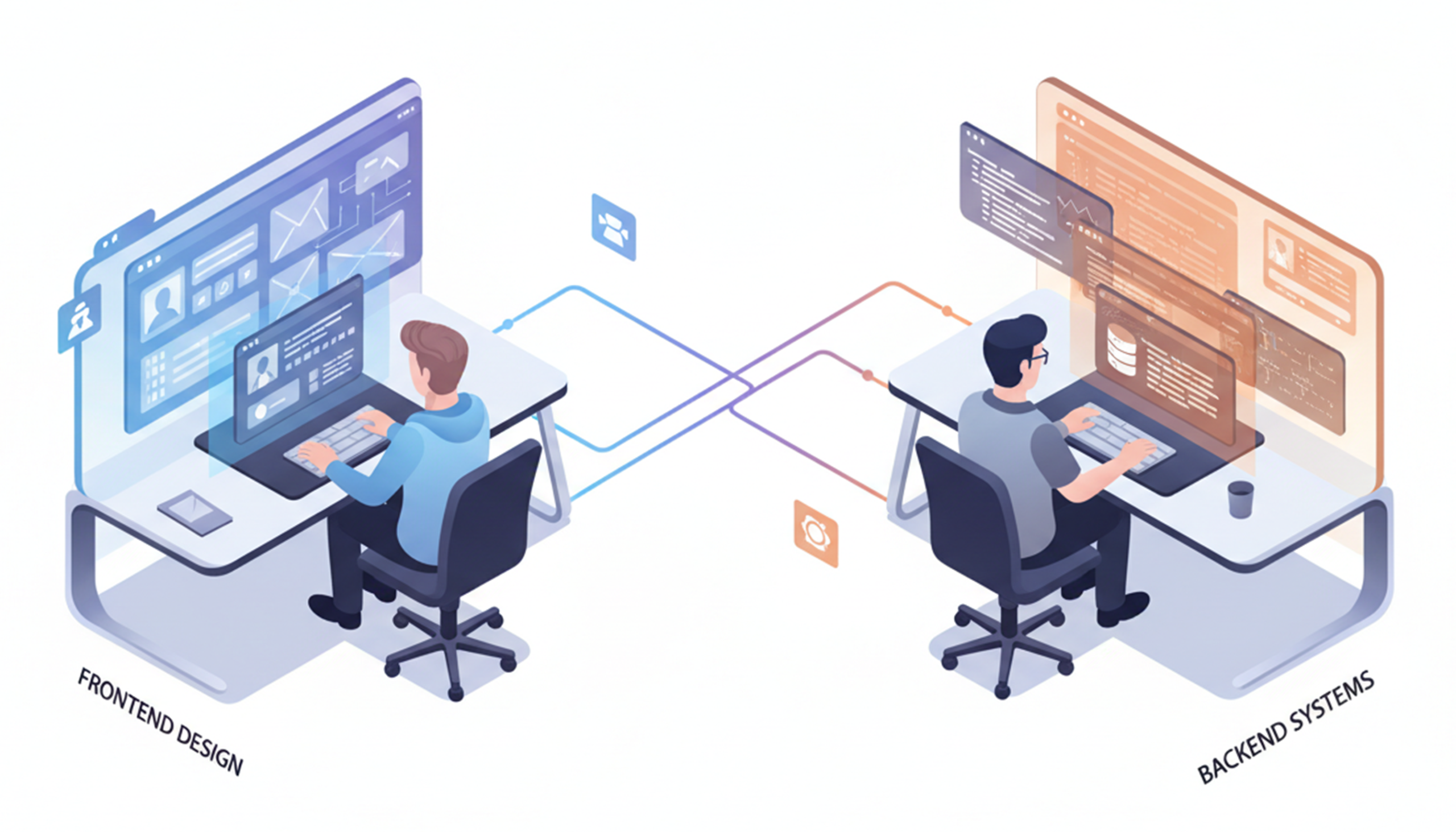
Python’s Advantages in Modern DevOps
Python is often used for infrastructure automation and DevOps workflows because:
- It integrates with automation tools like Ansible
- It scripts build and deployment tasks
- It interacts easily with cloud APIs
This versatility makes it an asset in continuous integration and deployment pipelines.
Python and Cross-Platform Portability
Python runs on all major operating systems: Windows, macOS, and Linux. This portability makes it ideal for teams that work in mixed environments. Code written on one platform runs on another with minimal adjustments, simplifying development and testing cycles.
Python for Startups and Rapid Prototyping
For early-stage products and minimum viable products (MVPs), Python shines because:
- Developers can iterate quickly
- Time to market is reduced
- Prototypes translate easily into production systems
This rapid feedback loop gives startups a competitive edge in validation and iteration.
Challenges and Considerations
Python is excellent, but it’s not a silver bullet. Developers and architects should consider:
Performance and Speed
Because Python is interpreted and not compiled, it can be slower at runtime compared to languages like Go or C++. For many applications, this is negligible, but performance-critical systems might require optimization or hybrid approaches.
Mobile Application Constraints
Python isn’t a primary choice for native mobile development, where languages like Swift (iOS) and Kotlin/Java (Android) dominate. Hybrid solutions exist, but they aren’t as widespread.
Dependency Management
Large Python projects benefit from virtual environments and dependency tools like pipenv or poetry to avoid conflicts across team systems.
Despite these considerations, Python’s strengths usually outweigh its drawbacks for most application categories.
When to Choose Python for Your Next Project
Choose Python when:
- You need fast development turnaround
- Data processing, analytics, or machine learning is part of the roadmap
- Your team values readability, maintainability, and collaborative coding
- You’re building web backends with strong API requirements
- Python is also ideal when a project requires experimentation or iterative development, because changes can be tested and deployed quickly.
Conclusion
Today, Python continues to be one of the most influential languages in software development due to:
- Ease of learning and readability
- Extensive libraries and community support
- Cross-domain applicability
- Rapid prototyping and scalability
- Strong presence in AI and data science domains
Whether you’re building web services, machine learning models, or automation tools, Python’s flexibility and ecosystem make it a reliable language for scalable, long-term projects.